There is a particular moment on a Dubai marina cruise that always hooks me. The dhow rounds the curve near the Cayan Tower, the water throws back ripples of neon, and the first plates start to circulate from the galley. You taste the city right there. A little saffron clings to the grains of rice, a charcoal lick perfumes a kebab, a crisp fattoush snaps under a fork. The skyline takes the headlines, but regulars know the buffet is where the Marina tells its story.
I have boarded everything from polished three-deck floating restaurants to humble wooden dhows that first hauled cargo along the Creek. Some nights run slick and quiet, others brim with families chatting across tables pushed together. The buffet tracks these moods. It has to feed a full cross-section of travelers, from spice-chasers to cautious eaters who just want good roast chicken. If you know what to look for, you can eat remarkably well. And if you don’t, you’ll still leave full, but you’ll have missed the point.
This is a roadmap for choosing, tasting, and getting the most from the buffet on a Dubai marina cruise, with particular attention to how Dhow Cruise Dubai operators design their menus, what varies by boat class and price, and how to navigate the spread like a local who knows the kitchen crew by scent and sound.
What “Dhow” Means When You’re Hungry
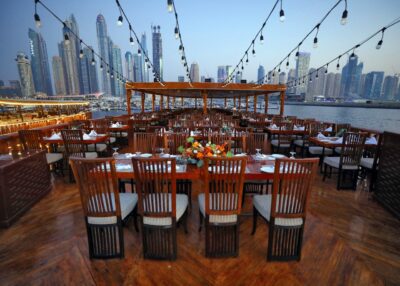
In the Marina, “dhow” usually means a wooden, two-deck vessel fitted out with glass, lighting, and modern kitchens. It nods to maritime heritage without sacrificing air conditioning. Some boats keep polished timber rails and lanterns for atmosphere, but the business end for a foodie sits below deck near the hot line: steamers stacked with biryani, grills ticking over with skewers, and a cold section packed with mezze.
Prices for Dhow Cruise Dubai vary by operator and inclusions. As a guide, standard dinner cruises range from roughly 130 to 300 AED per adult, depending on the night, the view corridor, and whether soft drinks are included. Premium and private charters climb from there. The buffet quality maps loosely to price, but not perfectly. I have eaten an outstanding lamb ouzi on a mid-range Dubai marina cruise and a bland, hotel-staffed spread on a pricier one. What matters is the operator’s commitment to fresh turnover and a chef who understands seasoning rather than merely heat.
A quick trick before booking: if the operator shares a same-day menu rather than a generic sample, that usually signals a kitchen that cooks, not https://cruisedhowdubai.com/ just reheats. Ask if breads are baked onboard or delivered, whether grills are fired live, and how the team handles dietary requests. The better Dhow Cruise Dubai marina outfits answer happily.
The Anatomy of a Good Marina Buffet
The spread follows a rhythm that reads like a map of the city’s palate.
Cold beginnings set the tone. Expect a quartet of regionals: hummus with a decent tahini hit, moutabal with smoke from charred eggplant skin, tabbouleh heavy on parsley, and fattoush with crunchy pita shards and sumac. Simple salads join in with cucumber, tomato, and lemon dressing. If the kitchen is paying attention, the olive oil will be fruity rather than flat, and the vegetables will be cold, not room temperature. Think precision, not abundance.
Then come soups. Lentil soup is a stalwart, sometimes joined by a cream of mushroom or a coriander carrot. A generous squeeze of lemon elevates the lentil, and a pinch of cumin never hurts. On the better nights, you’ll catch a seafood bisque that betrays the kitchen’s ambition. Ask for soup early, while the pot still carries steam and nuance. Later ladles can be muddy.
The heart of the buffet is the hot line, and here is where a Dhow Cruise Dubai marina rises or falls. The pattern blends Emirati, broader Levantine, South Asian, and a few crowd-pleasing internationals. I look for:
- A biryani with separated grains and visible whole spices. A faint rose of saffron should glow through the steam. Lamb usually fares better than chicken in the hold of a buffet. Something from the grill. Seek out sheesh tawook or kofta that still glisten when they hit your plate, not greyed out. If you catch the cook turning skewers, wait it out and ask for a fresh one. You’ll never regret it. A slow cook that tells a story. Lamb ouzi, chicken machboos, or beef stew with cardamom will show what the chef can do beyond a marinade. A balanced international option. Roast chicken with herb jus or a simply grilled fish with lemon and capers anchors the spread for those less adventurous, and it also reveals how the kitchen handles basics.
Rice usually comes in pairs, biryani and a simple butter rice or vermicelli rice. Veg sides rotate from okra in tomato to sautéed green beans, buttered carrots, or spiced potatoes. Watch for oversteamed veg, a common slip on busy nights. The breads, if warm and pliant, lift everything. A fresh basket of Arabic bread or a still-puffy naan is a dependable indicator of kitchen care.
Desserts start well before the sweet table, because you’ll smell the syrup heating up. The usual suspects include umm ali, baklava, basbousa, and a fruit counter with melon, pineapple, and grapes. The surprise sometimes comes from a modest pudding, like mahalabia scented with orange blossom, that steals the show.
The beverage station tends to keep it simple. Soft drinks and water are often included, with tea and coffee to finish. Some Dubai marina cruise options add mocktails with mint and lime, which make sense on a humid night. Alcohol availability depends on licensing and boat policy, so verify if that matters to your group.
Nights When the Kitchen Sings
One evening stands as an example. A Thursday on a medium-size dhow, 7:30 boarding, with a mixed crowd: a large Indian family celebrating a birthday, two couples who clearly lived in the Marina, and a dozen tourists pointing their phones at the Ferris wheel lights. The buffet opened quietly. The hummus tasted like someone had adjusted lemon and salt after blending, rather than pouring from a tub. The moutabal carried smoke. You could tell the eggplant had met flame.
A chef in a tall hat carved lamb at a station just beyond a tower of plates. I waited until he sliced into a new shoulder. The meat slid away in soft petals. They had spiked the rice with nuts and sweet sultanas, and a cinnamon cardamom perfume rose up when the heat hit my face. I watched a server brush oil over skewers. When I asked for the next batch of sheesh tawook, he nodded without fuss. Five minutes later, the skewers landed on the tray and the marinade caramelized as it should, not cloying, just enough char to cut through.
Umm ali came out bubbling, and the staff, instead of letting it sit and turn to paste, ladled small bowls in waves. These touches do not happen by accident. They happen when the kitchen controls flow and refuses to put everything out at once.
Buffets Are About Flow and Heat, Not Just Variety
You can list twenty dishes and still deliver a forgettable meal if you lose control of heat and turnover. A Dubai marina cruise that understands the dance will stage refills in half pans, rotate often, and keep the grill live. Watch how quickly a staffer replaces shallow trays. If they let the top layer form a skin, it can be a warning.
Timing matters. Many cruises board around 7 to 7:30, set sail by 8, and open the buffet within 15 minutes. The first wave gives you the freshest cutlets and crispest salads. A second wave around 8:45 can be equally good if the kitchen staggers its output. Late eaters past 9:15 sometimes face tired edges, especially on weeknights when the boat is only two-thirds full. If your goal is the best plate, walk the line as soon as the captain finishes his welcome and the live music kicks in.
On seafood nights, which are not as common on dhows as on larger floating restaurants, freshness shows in the eyes of the fish and the snap of calamari. I have heard operators promise “lobster night.” Treat that as a special event on a premium price ticket, not a standard inclusion. In general, on a Dhow Cruise Dubai marina, land proteins lead, with seafood appearing as a mainline dish or two rather than the star.
The Halal, Vegan, and Allergy Questions
Nearly every Dubai marina cruise serves halal meat. For many operators, it is a stated standard. The doubt creeps in with sauces and desserts that might include gelatin or non-halal emulsifiers. Good staff know their components. Ask them to confirm. Cross-check by asking to see the package if you suspect marshmallows or jelly cups.
Vegetarians eat very well if they lean into mezze, salads, rice, and vegetable curries. Vegans must be more deliberate, but it’s doable. Look for hummus, moutabal without yogurt, fattoush dressed in olive oil and lemon, rice, sautéed vegetables, and chana masala or dal if South Asian dishes are present. If you give the operator notice when you book, many will mark a few trays and even prepare a dedicated vegan curry.
Allergens deserve a direct conversation. Nuts appear in rice and desserts, sesame in tahini, dairy in desserts and tzatziki, and gluten in breads and pastries. A solid Dhow Cruise Dubai team will label trays or brief you. The weaker ones shrug. If you get the shrug, eat only what you can identify with certainty. It’s not worth the gamble.
A Short Guide to Recognizing Good Value
Buffet value sits at the intersection of quality, view, and service. Price tells only part of the story. Here are compact signals that rarely mislead:
- Salads are cold and crisp, not weeping or warm; hummus tastes of lemon and tahini, not fridge. Bread arrives warm to your table rather than sitting under a lamp. Grills run steady, with a cook present, not just a chafing dish of old skewers. The carving station cuts to order instead of a pile of hacked meat. Staff clear plates and refill water without hovering, and someone watches the buffet to refresh intelligently.
If two or three of these line up, you are in safe hands.
Regional Notes: Emirati Dishes You Shouldn’t Miss
Some menus lean international, a safe play for a mixed boat. Others make room for Emirati staples. When you find them, seize the chance.
Machboos reads simple on paper, rice cooked with meat and a house spice blend, but the best versions bloom with loomi, dried black lime that adds a complex citrus bitterness. Lamb takes the seasoning like an old friend. Chicken works too, but be mindful of drying under lamps.
Harees, which blends wheat and meat into a smooth, savory porridge, often appears on special occasions or Ramadan cruises. This dish lives or dies by texture. It should comfort, not paste. A drizzle of ghee and a pinch of cinnamon or sugar on top can transform a ladle into something quietly profound.
Luqaimat will sneak up on you at the dessert station. They look like doughnut holes, but their character is in the sugar syrup and sesame seeds. Crisp outside, soft inside, no grease on your fingers. If they land soggy, move to baklava.
Umm ali is not Emirati, but it is a strong icon of the region’s dessert buffet. If the chef has a confident hand with cinnamon and keeps the nuts lively, it belongs on your plate twice.
The View Is a Course Too
I have made the mistake of parking at the buffet-facing table on a full boat, only to realize halfway through my kebab that the best frame of the Marina was on the other side. When you board, take thirty seconds to orient yourself to the route. Boats typically cruise a loop past the Marina Mall, along the stretch flanked by glossy towers, and toward Bluewaters Island with its giant wheel. If you are on a Dubai marina cruise with open-air seats upstairs, claim them before dessert and bring your tea. Food resettles better in a breeze.
Some operators choreograph the buffet to avoid a tidal crush. They release rows in order or announce stations, which feels regimented but keeps the line moving. Others open the gates and let everyone rush. If you prefer calm, ask about their process when you book.
Lighting is not trivial. You do not want to squint at your plate. A warm glow reads romantic but can turn your food invisible. The better boats balance ambience with visibility, especially near the buffet where you need to see labels.
When the Tour Groups Arrive
Large tour groups can shift the entire energy of the evening. The upside: turnover skyrockets, and the grill stays hot. The downside: lines and noise, plus the occasional plate piled into a precarious tower. If you find yourself on a crowded night, make two small, focused trips rather than one mountain. Start with cold mezze and bread to settle in, then go straight to the carving station and grill when the first wave subsides. Skip anything that looks like it has been sitting. It will come around again. It almost always does.
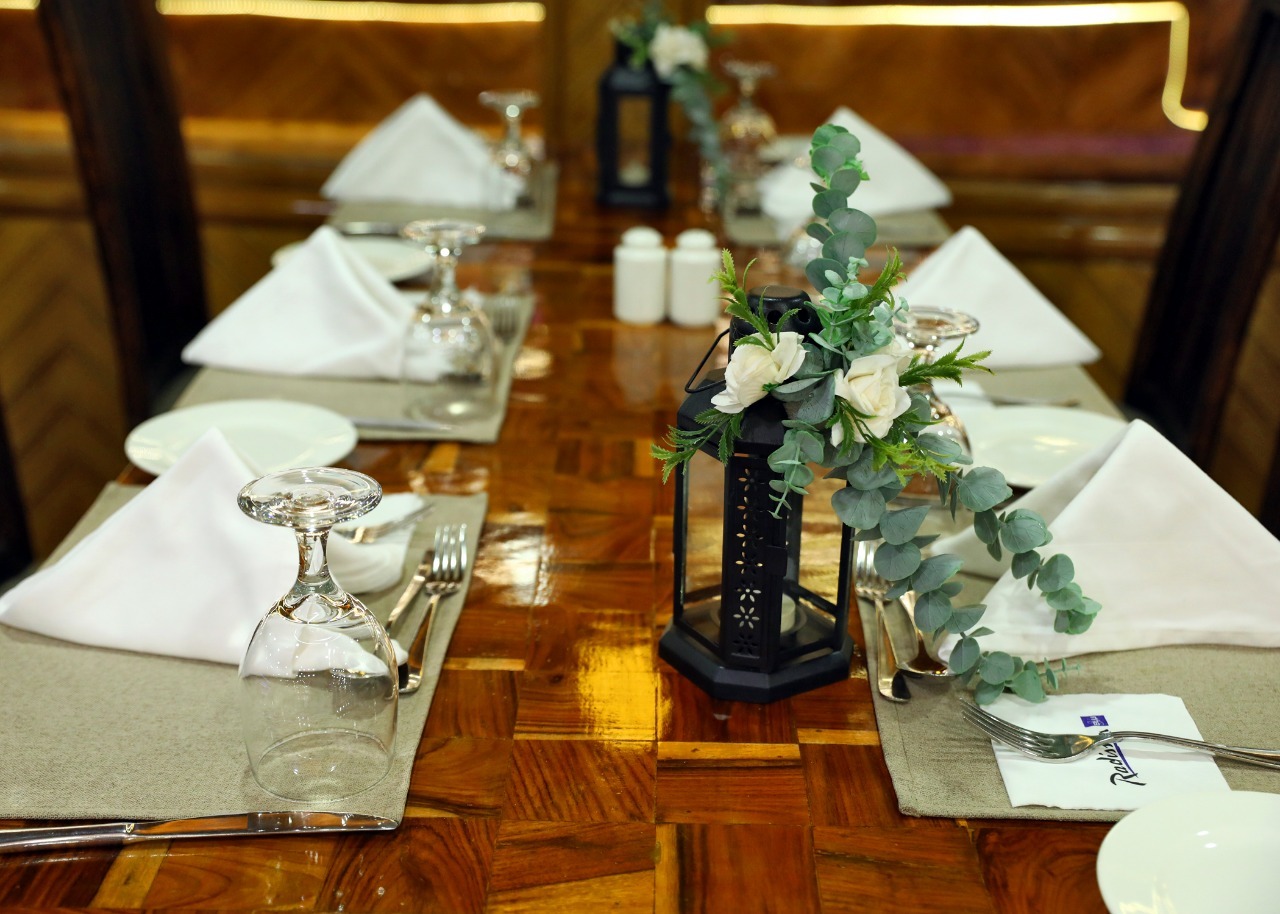
If the boat runs a live performance like tanoura dance or a singer, time your second round to coincide. People sit, the line shrinks, and the staff often slide out fresh trays to match the show.
The Weeknight Edge
Wednesday nights are my sweet spot. Fewer corporate tables than Thursdays, more consistent kitchen attention than Mondays. The Marina’s light still draws crowds, but staff are less rushed and more willing to chat about a spice blend or the day’s specials. On these nights, I have secured the best seats and watched chefs try a new marinade or an extra dessert, almost as if they were testing it for the weekend rush.
By contrast, Saturdays can bring heavy turnover with more kids on board. That can be great for variety and energy, but if you care about quiet, choose earlier boarding or a smaller dhow.
Water, Wind, and the Practical Stuff Nobody Tells You
Buffets and breezes fight. A plate of salad wilts in wind within minutes. If you eat on the upper deck, cover your plate with a napkin for the short walk from buffet to table. Seat yourself with your back to the breeze so your food survives the trip.
Dress smart for AC inside and humidity outside. A light layer helps. Sturdy shoes beat slip-prone sandals on a damp deck. If you plan to photograph your plate with the skyline behind, sit on the starboard side during docking for the wider view of the walkway and towers, then switch to the port side as the boat arcs toward Bluewaters.
Arrive 15 to 20 minutes early. It makes all the difference in table choice. If your group includes anyone with mobility needs, ask for a table near the buffet or an elevator-equipped boat. Some dhows have steep stairs. Many staff will bring plates to your table if you ask, and they usually do it with care.
The Sustainable Plate
Food waste on buffets is a persistent problem. You can feel virtuous by taking modest portions and returning for seconds only of what you love. google.com Operators who respect the menu also respect wastage. They prepare in smaller batches and refill when needed. If you see trays heaped early with food drying at the edges, that boat likely loses money and scraps. The better Dhow Cruise Dubai operators train their staff to trim and refresh rather than flood the line.
Some cruises have started to link with local composting services or redistribute untouched surplus. Ask. Your question signals that guests notice. In a city where abundance can lean to excess, gentle pressure nudges practices in the right direction.
A Sample Plate for First-Timers
You could eat a dozen ways, but if you want a balanced pass that honors the region and avoids the usual tourist trap of bland carbs, try this sequence.
Begin with a spoonful each of hummus and moutabal, a small mound of tabbouleh, and a warm wedge of Arabic bread. Add a few olives and a drizzle of olive oil. It wakes the palate without filling you up.
Follow with lamb ouzi if it’s on, choosing pieces from a fresh cut. Spoon some rice with nuts, and add a ladle of machboos rice on the side if present. Two pieces of grill, sheesh tawook and kofta, for contrast. A squeeze of lemon across the plate brings it together.
Save space for umm ali while it’s fresh and hot, then finish with a small square of baklava or a custard like mahalabia. Tea to close, ideally on the open deck.
What you skip can define the meal as much as what you take. Resist the heap. Let the view and the music slow your pace.
Where the Keywords Fit Without Breaking the Spell
People search for specific phrases like Dhow Cruise Dubai marina or Dubai marina cruise when they plan dinner with a skyline. Those terms point to the experience I have described: a wooden dhow refitted as a floating restaurant, a night tour of light-struck towers, and a buffet that ranges from hummus to heaped rice to desserts sweet enough to make you grin. If you book a Dhow Cruise Dubai with food as your priority, ask pointed questions, arrive early, watch the grill, and trust your senses. The Marina rewards curiosity as much as appetite.
Why I Keep Going Back
Every time I step aboard, I remember my first night on a dhow when a cook said quietly, taste this, and handed me a piece of char-flecked chicken from a skewer before it touched the tray. The marinade had yogurt, garlic, paprika, and a whisper of cardamom. He had balanced it by feel, not recipe. That is the thread I keep chasing on a Dubai marina cruise. Not novelty for its own sake, but the comfort of a dish prepared with attention, served under the soft thrum of a generator and the shuffle of waves against wood.
You can find flashier restaurants on land and longer menus in hotel ballrooms. The dhow offers something different. It moves. The city slides by, and the buffet matches it with a gentle, iterative flow of plates. There is room to taste, compare, return for something better, and let the sound of cutlery and water form a rhythm under your evening. If you treat the buffet as a tour rather than a finish line, Dubai feeds you well.
Dhow Cruise Dubai
Al Warsan Building - Al Thanyah First - Barsha Heights - Dubai - United Arab Emirates
Phone: +971 52 440 9525
Website: https://cruisedhowdubai.com/